


|
Ama-Zing African Safaris Blog Wednesday, August 20 2025
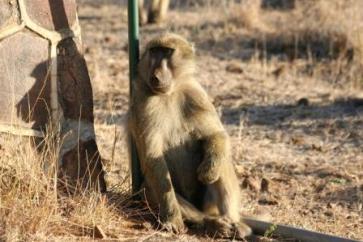 A game drive in Kruger National Park, South Africa’s iconic safari destination, always promises magical sightings. On one such drive, we witnessed a fascinating scene – a Chacma Baboon, an Impala Ewe, and a troop of Vervet Monkeys peacefully feeding together. This unique interaction highlighted not only the park’s biodiversity but also the intricate balance of its ecosystem. Chacma Baboon – The Forager of the BushThe Chacma Baboon (Papio ursinus) is one of the largest monkey species in Africa, commonly spotted across Kruger. Known for their intelligence and adaptability, baboons feed on a wide variety of food including roots, seeds, fruits, and even small animals. On this particular day, the baboon sat relaxed near a stone wall, soaking in the morning sun before foraging. Its presence showed the calm yet alert nature that allows these primates to thrive in the wild. Impala Ewe – Graceful Grazer of the SavannahNot far from the baboon, a beautiful Impala ewe emerged from the tall grass. Impalas are among the most abundant antelope species in Kruger National Park, often seen in large herds. The ewe nibbled gently on fresh shoots, keeping a watchful eye on her surroundings. Despite their elegance, impalas are always alert, as they are a favorite prey species for predators like lions, leopards, and wild dogs. Vervet Monkeys – Playful and SocialNearby, a troop of Vervet Monkeys (Chlorocebus pygerythrus) scampered about, searching for insects and fruits. Known for their playful nature and strong social bonds, vervet monkeys are always a delight to watch. A mother with her young one provided a touching moment of family interaction, as the youngster curiously explored the grass under her watchful eye. Harmony in the WildWhat made this sighting remarkable was not just the individual beauty of these animals, but the way they shared the same space. Despite being different species with different diets, the Chacma Baboon, Impala Ewe, and Vervet Monkeys fed peacefully alongside one another. Such moments highlight the coexistence of wildlife in Kruger National Park, where each species plays a vital role in maintaining the balance of nature. Why Kruger National Park is a Must-VisitSpanning nearly 20,000 square kilometers, Kruger National Park is home to the famous Big Five and countless other species of mammals, birds, and reptiles. Every game drive offers something new – from predator action to gentle scenes of herbivores grazing. Encounters like this one remind us that a safari is not only about lions and elephants but also about appreciating the smaller, more intimate moments of wildlife interaction. Tuesday, August 19 2025
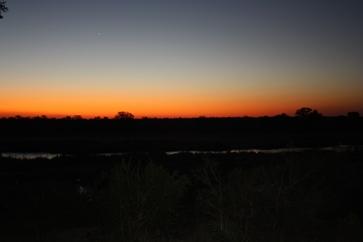 When you think of Kruger National Park, one of Africa’s most iconic safari destinations, the first images that come to mind are elephants, lions, and vast wilderness. But there’s another breathtaking experience that every traveler remembers long after they leave – the sunrises and sunsets over the African bush. As dawn breaks, the park awakens to a golden glow. The skies are painted in hues of orange, pink, and purple, offering a stunning backdrop as the first rays of sunlight stretch across the savannah. The early morning is also the best time for game drives, as predators return from their nightly hunts and herbivores begin grazing. Watching the sunrise in Kruger National Park is not just beautiful, it’s an unforgettable connection with nature. As the day winds down, the African bush transforms once again. The horizon blazes with deep oranges and fiery reds, reflecting beautifully over rivers and waterholes. This is the time when many animals make their final movements before nightfall. A Kruger National Park sunset is a magical experience, offering travelers the chance to witness wildlife in golden light while enjoying panoramic views of the bushveld. Few moments rival the beauty of watching the sun dip below the horizon while its reflection shimmers across Kruger’s rivers and dams. Whether you’re on a guided drive or relaxing at a lodge, the tranquil setting creates the perfect end to a day in the park. Experiencing sunrises and sunsets in Kruger National Park is about more than just a view – it’s about immersing yourself in the rhythms of the wild. The colors, sounds, and atmosphere create a natural spectacle that stays etched in your memory. Whether you’re an early riser chasing the first light of dawn or a sunset lover soaking in the African evening, Kruger National Park offers some of the most spectacular sunrises and sunsets in the world. Don’t miss this magical part of your safari adventure. Monday, August 18 2025
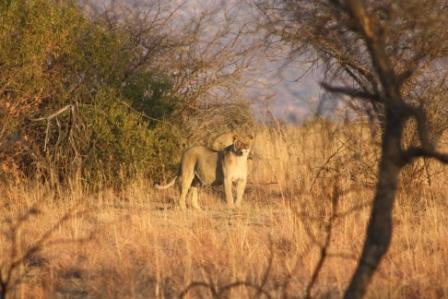 A half-day game drive in Kruger National Park can be one of the most rewarding experiences for wildlife lovers—and sometimes, it delivers truly unforgettable moments. On a recent morning safari, we were treated to the rare and heartwarming sight of lionesses and their playful cubs in the wild. Just after sunrise, as the golden light touched the African savannah, our guide spotted fresh lion tracks along a dirt road. Following the trail led us to an incredible scene: a pride of lionesses resting in the shade, surrounded by their energetic cubs. The cubs tumbled over each other, practicing their hunting skills, while the lionesses kept a watchful eye on their surroundings. For many safari-goers, seeing lions in Kruger National Park is already a dream come true. But encountering lion cubs with their mothers takes the experience to another level. It’s a glimpse into the life of Africa’s most iconic predators and a reminder of the delicate balance of survival in the wild. Kruger National Park is home to one of the largest lion populations in Africa, making it a top destination for those hoping to see these majestic cats. With its vast landscapes and diverse habitats, the park offers excellent opportunities to spot lions during both morning and afternoon game drives. Morning drives often provide the best chance to see lions when they are most active. Half-day safaris allow enough time to explore different regions of the park and increase the chances of witnessing a pride in action. If you’re planning a visit to Kruger, here are a few tips to increase your chances of seeing lions and perhaps even cubs:
Seeing lionesses and cubs in Kruger National Park is a memory that will last a lifetime. It’s not just about spotting wildlife—it’s about connecting with nature and appreciating the raw beauty of the African bush. Whether you choose a half-day game drive or a longer safari, Kruger continues to surprise and inspire visitors from around the world. Saturday, August 16 2025
 During our recent Kruger National Park safari, we set out with the hope of spotting lions, elephants, and perhaps even the elusive leopard. What we didn’t expect was how much joy we’d find in watching one of Africa’s most quirky and underrated animals — the warthog. Our first sighting was a warthog sow with young, grazing in the grasslands. Kneeling down on their front legs, they used their snouts to dig for roots and shoots. This unusual posture is one of the warthog’s most recognizable feeding behaviors — and it’s surprisingly endearing. Later on, we spotted a magnificent warthog with impressive tusks. Its coarse mane, expressive eyes, and alert stance reminded us that although warthogs might look comical, they are resilient survivors of the African savanna. The highlight of the drive was seeing a warthog approach a waterhole to drink. It lowered its head carefully, ever alert to predators, before slurping up the green-tinged water. This peaceful moment reminded us of the vital role waterholes play in the Kruger ecosystem, attracting a variety of animals both big and small. Although they aren’t part of the famous Big Five, warthogs are always a delight to see on safari. Their playful movements and quirky personalities add charm to any game drive. Our warthog sightings in Kruger National Park were a highlight of our safari experience. These animals may not roar like lions or tower like giraffes, but their character and resilience are unforgettable. Next time you head out on a game drive, keep your eyes open for the humble warthog — you just might find them as charming as we did. So why didn't we find Timon? Meerkats (Timon) are not typically found in Kruger National Park. Their preferred habitat is the more arid, open areas of southern Africa, such as the Kalahari Desert. Kruger's environment is generally more moist and diverse than the typical meerkat habitat. Friday, August 15 2025
 Male lions aren’t just kings because of their manes — their roars are declarations of power, dominance, and ownership. A single roar can reach up to 114 decibels and travel up to 5 miles. Louder than a rock concert! But not all roars are created equal. Some are delivered in short, sharp bursts — quick warnings that say “this is my turf.” Others draw it out into long, rolling bellows that seem to shake the air itself. Age, size, health, confidence and the reason for roaring all play a part in determining just how commanding a roar can be. So, which male roars at you the loudest? The one who’s closest? The one with the biggest lungs? Or perhaps the one who knows exactly when to roar so the whole world listens. Thursday, August 14 2025
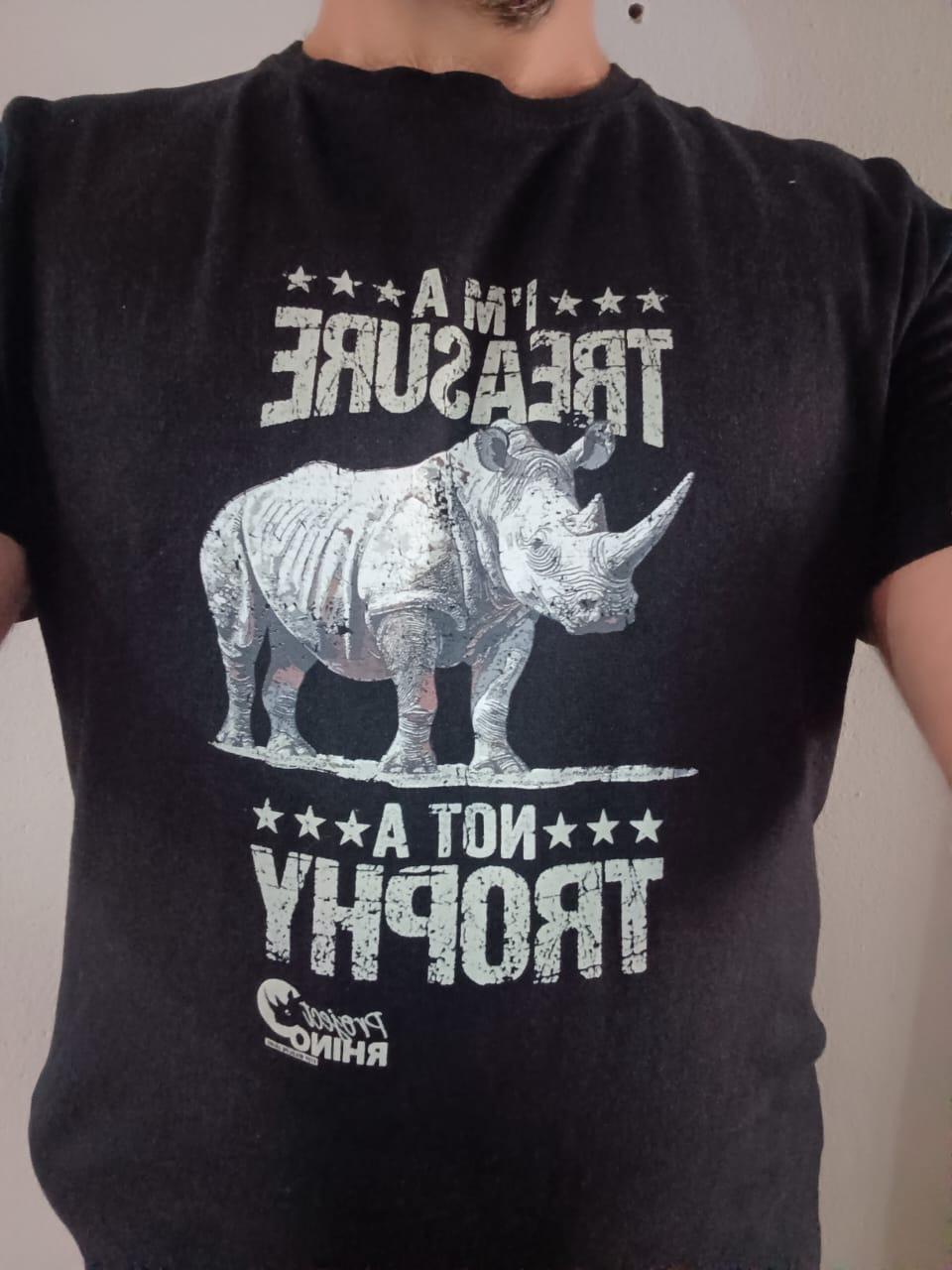 Rhinos are more than just animals – they are a living part of our natural heritage. For generations, these majestic creatures have roamed our lands, gracing our national parks and game reserves. They are the highlight of many safari and game drive experiences, leaving visitors in awe of their size, strength, and beauty. But now, their future is in serious danger. The Alarming Decline in Rhino NumbersOnly a few decades ago, spotting rhinos in the wild was almost guaranteed during a game drive. We saw them in larger groups, grazing peacefully, and adding life to the African landscape. Today, these sightings have become rare and heartbreaking. Poaching, habitat loss, and illegal wildlife trade are driving our rhinos closer to extinction. Why Rhinos Matter
The Harsh Reality of PoachingPoachers kill rhinos for their horns, fueled by demand in illegal markets. This brutal trade is wiping out populations at an alarming rate. Every rhino lost is a step closer to losing them forever. What Can Be Done to Save Them
Our Call to ActionStop killing our rhinos! They are precious to us. They are part of our heritage. They belong in our wild landscapes, not as trophies or black-market commodities. Every rhino that survives today gives hope for tomorrow. Let’s protect them, not just for us, but for future generations. Because once they’re gone, they’re gone forever. Wednesday, August 13 2025
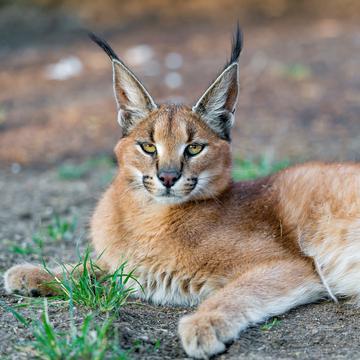 If you dream of a true African adventure, Kruger National Park in South Africa is a must-visit. Known for its incredible wildlife diversity, breathtaking landscapes, and unforgettable game drives, Kruger offers travelers the chance to witness nature at its finest. On our recent ama-zing African safari, we experienced something truly rare—a sighting of a caracal in the wild. The Magic of Kruger National ParkSpanning nearly 20,000 square kilometers, Kruger National Park is one of Africa’s largest and most famous game reserves. Home to the Big Five—lion, leopard, elephant, buffalo, and rhino—Kruger also shelters hundreds of bird species, fascinating reptiles, and lesser-seen predators like cheetahs, wild dogs, and our lucky encounter—the elusive caracal. Our Game Drive ExperienceWe began our early-morning Kruger game drive just as the sun was rising, painting the savanna in golden light. The crisp morning air, the distant calls of birds, and the anticipation of spotting wildlife made the atmosphere electric. Our expert safari guide scanned the horizon constantly, sharing stories of animal behavior and the park’s conservation efforts. We encountered elephants leisurely grazing, a pride of lions resting under an acacia tree, and herds of impalas gracefully moving through the bush. But the highlight came unexpectedly… A Rare Caracal SightingAs we drove through a quieter part of the park, our guide suddenly stopped the vehicle. There, in the grass, was a caracal—a sleek, reddish-gold wild cat with striking tufted ears. Known for their shy nature and nocturnal habits, caracals are rarely seen during the day, making this sighting exceptionally special. We watched in awe as it moved silently through the grass, muscles rippling beneath its coat. For a few magical moments, time stood still before it melted back into the wilderness. Why This Safari Was UnforgettableSeeing the caracal reminded us that every safari is unique—you never know what incredible moments await. From the Big Five to rare predators, every drive offers a different story. Kruger National Park’s combination of accessible roads, abundant wildlife, and skilled guides ensures every visitor leaves with unforgettable memories. Tips for Your Kruger Safari
Final ThoughtsOur ama-zing African safari in Kruger National Park delivered more than we could have imagined. The landscapes, the wildlife, and the thrill of the unexpected—like our rare caracal sighting—will stay with us forever. Whether it’s your first safari or your tenth, Kruger has a way of surprising you every time. Plan your Kruger adventure today and maybe, just maybe, you’ll spot one of Africa’s most elusive cats. Tuesday, August 12 2025
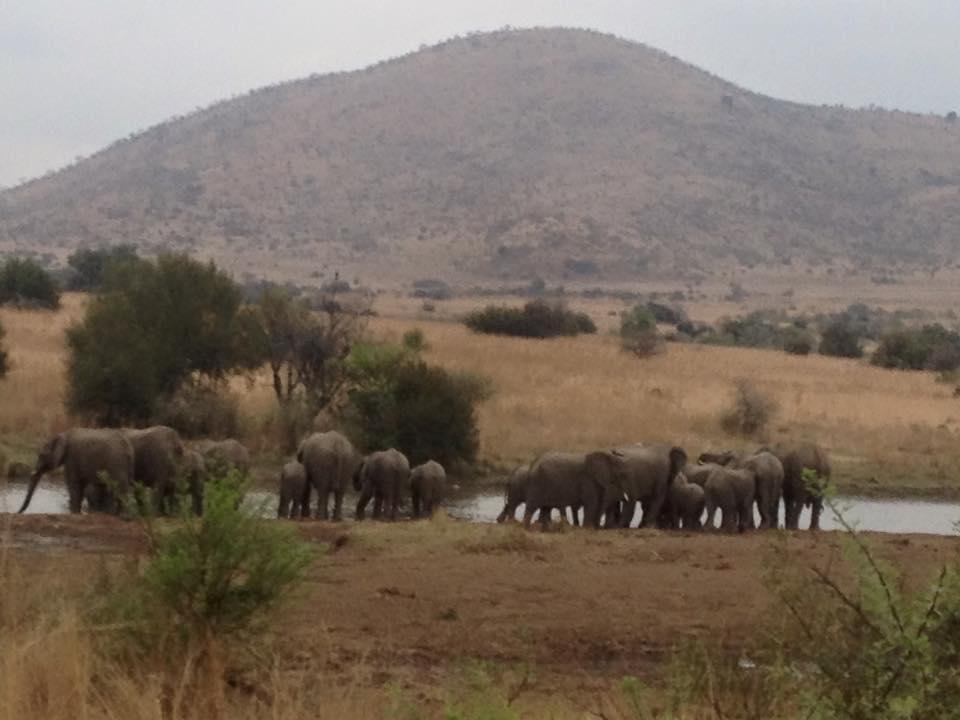 Majestic Elephant Herd at a Watering Hole – A Magical Kruger Safari MomentOn our recent Ama-Zing African Safari in the legendary Kruger National Park, we experienced a truly breathtaking wildlife encounter – a herd of elephants gathered gracefully at a serene watering hole. The African savanna glowed under the golden sunlight as towering matriarchs led their young calves toward the water. With each slow, deliberate step, the earth seemed to hold its breath. Watching the Elephants Drink and BondAs we quietly observed, the elephants approached the watering hole in unspoken harmony. The older females stood guard while the playful calves splashed and tested their trunks in the cool water. Some elephants even sprayed themselves, creating glistening droplets in the warm afternoon light. Each touch, each low rumble, hinted at the deep family bonds and intelligence these gentle giants share. It was a perfect reminder of the beauty and complexity of African wildlife. Why Kruger National Park is Ideal for Elephant SightingsKruger National Park is one of the best safari destinations for elephant encounters. The park’s diverse habitats provide water, food, and space for large herds to thrive. From intimate watering hole moments to dramatic road crossings, Kruger offers unmatched elephant-watching experiences. Visiting here is not just about spotting wildlife – it’s about connecting with nature and supporting conservation efforts that protect these incredible creatures. Planning Your Ama-Zing African SafariIf you’re dreaming of your own magical elephant encounter, an Ama-Zing African Safari in Kruger should be at the top of your travel list. Expert guides, thrilling game drives, and the heart of the African bush await. Travel Tip: Keep your camera ready – you never know when a herd of elephants might appear and turn an ordinary moment into an extraordinary memory. Monday, August 11 2025
 There are moments in life that stay with you forever — and for us, seeing a cheetah in the wild during our Ama-Zing African Safaris game drive in Kruger National Park was one of them.The Magic of the MomentOur safari guide had been scanning the grasslands for signs of movement when suddenly, he slowed the vehicle. There, perfectly camouflaged in the tall golden grass, was one of Africa’s most iconic predators — the cheetah. At first, all we could see was the faint outline of spots through the vegetation. But as our eyes adjusted, the sleek body and watchful amber eyes became clear. Cheetahs are masters of stealth. Their spotted coats blend effortlessly with the savanna, allowing them to stalk prey without being detected. Watching this magnificent cat was like witnessing nature’s finest example of precision and patience. A Rare and Special SightingWhile Kruger National Park is home to an abundance of wildlife, cheetah sightings are relatively rare compared to lions or leopards. They prefer open grasslands, where their unparalleled speed — up to 110 km/h (68 mph) — gives them the edge in hunting. This made our encounter even more special. We watched as the cheetah stood tall, surveying the horizon. The wind ruffled its fur, and for a moment, time seemed to stand still. Then, with the grace of a true predator, it moved silently through the grass, disappearing as quickly as it had appeared. Face-to-Face with the World’s Fastest Land MammalOur guide gently repositioned the vehicle for a closer view, and soon we were looking directly into the cheetah’s captivating golden eyes. Why Kruger National Park is Perfect for Cheetah SafarisKruger’s diverse habitats offer the perfect conditions for a wide variety of wildlife, including the elusive cheetah. The open plains, combined with expert tracking from Ama-Zing African Safaris’ guides, give visitors a higher chance of spotting this graceful hunter in its natural environment. A Memory to TreasureAs we drove away, leaving the cheetah to continue its day, there was a shared silence in the vehicle — the kind that comes when everyone knows they’ve just experienced something truly extraordinary. Our hearts were full, our cameras were full, and our safari dreams had been fulfilled. If you’re planning a trip to Kruger National Park, don’t miss the chance to go on a game drive with Ama-Zing African Safaris. With their skilled guides, deep knowledge of the park, and passion for wildlife, you never know — you might just have your own once-in-a-lifetime cheetah encounter. Saturday, August 09 2025
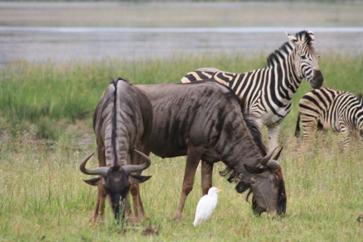 On our recent Ama-ZIng African Safaris game drive in Kruger National Park, the African plains gifted us one of nature’s most iconic sights: herds of zebras grazing, moving, and mingling in their natural habitat. Our first encounter was with a small dazzle (yes, that’s the wonderfully fitting collective noun for zebras) standing proudly in the tall grass. The morning light danced off their striking black-and-white coats, making them look almost painted against the soft green backdrop of the bush. They watched us with gentle curiosity, ears flicking to catch every sound, their stripes blending perfectly into the flickering shadows of the savanna. A little later, we came across a lone zebra making its way through a patch of acacia. The close-up view revealed the intricate uniqueness of its stripes – no two patterns are alike, each as distinctive as a fingerprint. Seeing it up close was a reminder of the individuality within the herd. Our final zebra moment of the day was part of a classic African scene – zebras grazing peacefully alongside wildebeest, with a white cattle egret darting between them. This cohabitation isn’t just photogenic; it’s strategic. Zebras’ excellent eyesight and wildebeests’ strong sense of hearing make them perfect partners in keeping a watch out for predators. There’s something deeply grounding about watching zebras in the wild. They are both calm and alert, graceful and strong – a living emblem of the African wilderness. Every game drive holds surprises, but seeing these striped beauties will always be a highlight. Until next time, Kruger – thank you for the magic. |


Ama-Zing African Safaris / Ama-Zing Kruger Park Safaris
Marloth Park / Hazyview, Kruger National Park, Mpumalanga, South Africa
Phone: +27 74 031 3825
Marloth Park / Hazyview, Kruger National Park, Mpumalanga, South Africa
Phone: +27 74 031 3825