


|
Ama-Zing African Safaris Blog Friday, September 19 2025
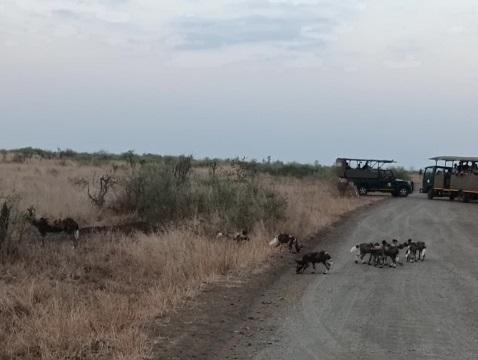 There are safari moments that leave you speechless, and our recent game drive with Ama-Zing African Safaris in Kruger National Park gave us exactly that kind of memory. As the sun began to rise, painting the bushveld in soft morning light, our guide expertly navigated the sandy tracks, scanning the horizon for movement. Suddenly, the vehicle came to a halt—our eyes locked onto an incredibly rare sight: a pack of African Wild Dogs (Painted Wolves) with their pups. For many wildlife enthusiasts, seeing these endangered predators is a once-in-a-lifetime privilege. With less than 7,000 remaining in the wild, spotting them in their natural habitat is nothing short of extraordinary. And here we were, watching not just adults but also a lively group of curious pups! The adults trotted confidently along the road while the pups playfully stumbled after them, full of energy and mischief. Some paused to investigate the safari vehicles, while others chased each other through the dry grass. One particularly alert wild dog sat upright near a burrow, scanning the horizon with strikingly large, rounded ears—the perfect sentinel of the pack. The atmosphere was electric. Silence fell across the safari vehicles as everyone realized how special this moment was. Cameras clicked softly, but mostly, we sat in awe, fully immersed in the wild magic unfolding before us. Our guide explained how wild dogs are highly social animals, relying on teamwork, care, and cooperation to survive. Watching the adults’ protective behavior toward the pups highlighted just how strong the bonds within a pack are. After a while, the pack gradually melted back into the bush, leaving us with hearts full of wonder and memory cards full of once-in-a-lifetime photographs. This sighting reminded us why Kruger National Park is such a treasure trove of biodiversity. Every drive brings the possibility of something unforgettable—but this encounter with a thriving wild dog family will forever stand out as a highlight of our safari journey. If you’re dreaming of a safari where rare and incredible wildlife sightings come to life, we cannot recommend Ama-Zing African Safaris enough. Their passion, knowledge, and deep respect for nature turned our game drive into an unforgettable story of Africa’s wild heart. Thursday, September 18 2025
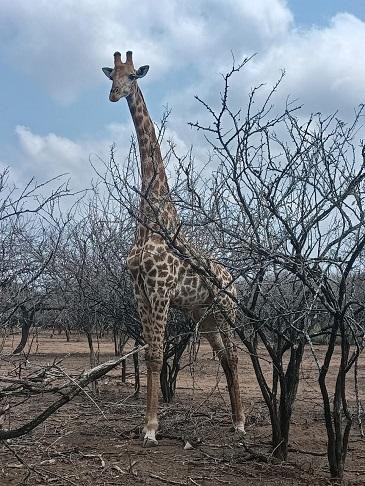 Imagine stepping into your garden and being greeted not by your neighbor’s cat or the sound of morning birds—but by the towering elegance of a giraffe. That’s our daily reality, and every time it happens, we’re reminded of how incredibly privileged we are to call this place home. These gentle giants have become frequent visitors to our garden, gracefully weaving between the thorn trees and pausing as if to say hello. Watching such magnificent animals up close, in its natural environment, is something many people only experience on a once-in-a-lifetime safari. For us, it’s part of our everyday life. Living here allows us to witness wildlife in its purest form. The giraffe, with its long neck reaching high into the acacia branches, perfectly symbolizes the wild beauty of Africa. Its calm presence brings a sense of peace, and yet its sheer size and majesty never fail to inspire awe. We often find ourselves pausing during our daily routines just to watch—reminded that this is not something to take for granted. These encounters are gifts, moments that reconnect us with nature and deepen our appreciation for the land we live on. To wake up each morning knowing that giraffes, zebras, antelope, and countless other creatures might stroll past our doorstep is nothing short of magical. It’s a reminder of why conservation and respect for wildlife are so important. After all, sharing space with these animals means we are part of something far greater than ourselves. So yes, we are extremely fortunate to live here and do what we do. Every giraffe visit is a blessing, and every day spent in the company of such natural wonders reinforces our gratitude. If you’ve ever dreamed of living close to wildlife, we can tell you—it’s even more magical than you imagine. Have you ever had a wild animal visit your garden? Share your story in the comments below—we’d love to hear about your encounters with nature! Tuesday, September 16 2025
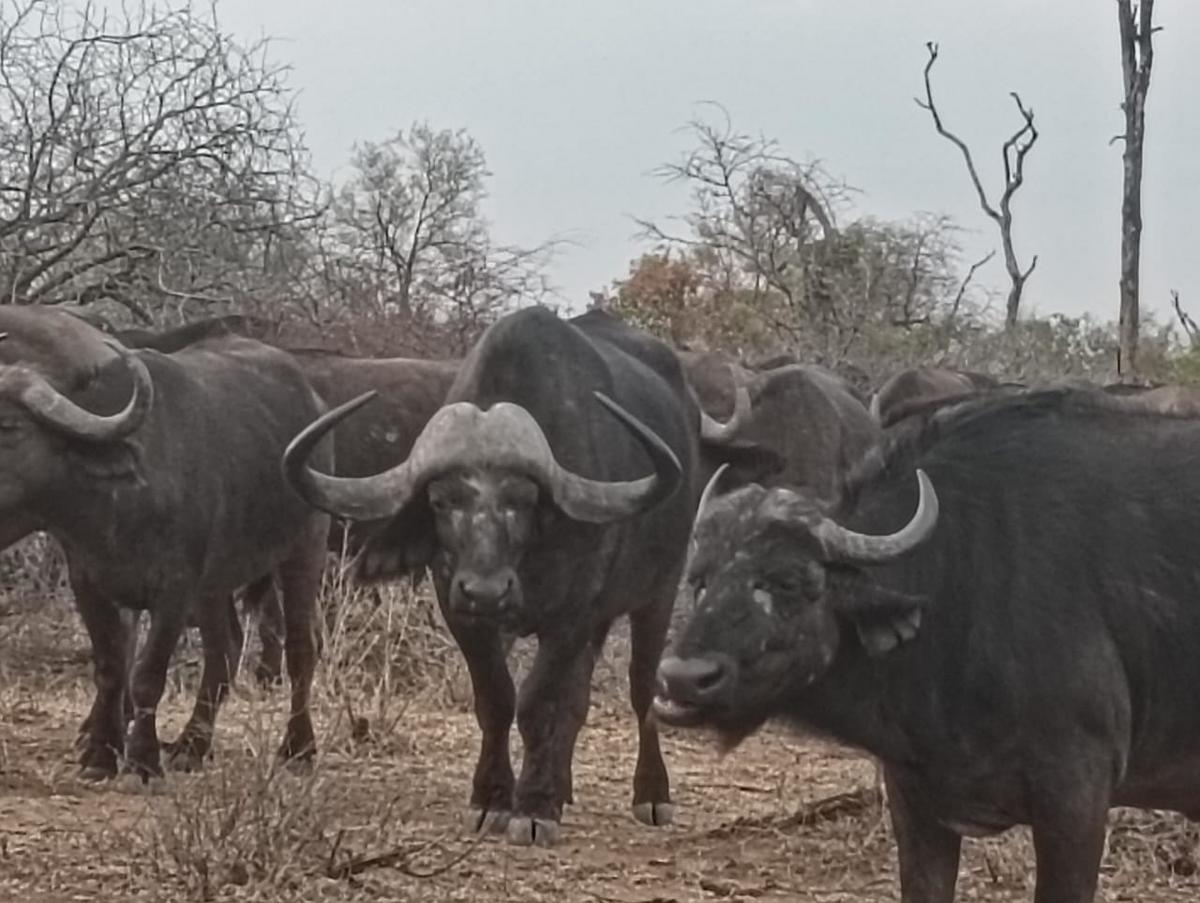 Out on our game drive, the air was still and heavy with the earthy scent of dust and acacia. The bush stretched out in muted shades of grey and brown, when suddenly, out of the thicket, they appeared — a herd of buffalo. They moved slowly, deliberately, like ancient guardians of the land. Their horns curved wide and low, their dark hides blending with the shadows of the trees. And then, one in particular stepped forward. He lifted his head, and in that moment we all fell silent. There was something regal in the way he stood, his great horns like a crown, his gaze steady and unyielding. Someone whispered, “He looks like George Washington.” We laughed, but the more we looked, the more it felt true. There was a dignity in him, an authority that seemed larger than the herd itself. His weathered face and calm strength could have belonged to an old general surveying the battlefield. The others milled about in the background, but our eyes stayed fixed on this one buffalo bull. It was as if he carried stories with him — stories of survival, of leadership, of battles fought and won. Could this be George Washington’s buffalo bull? Out here in the wild, it certainly felt like it. When he finally turned and led the herd deeper into the bush, we watched him disappear with a strange sense of awe. The dust settled, the moment passed, but the thought lingered: somewhere in the African wilderness, George Washington’s spirit might just walk on four legs. Saturday, September 13 2025
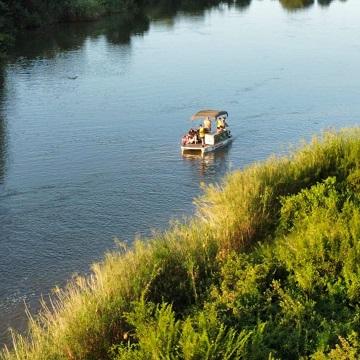 Looking for a magical way to end your day in Mpumalanga? A private Komati River Sunset Cruise with Ama-Zing African Safaris is the perfect blend of relaxation, adventure, and breathtaking African scenery. The Komati River is one of Southern Africa’s hidden gems. Flowing through lush landscapes and teeming with wildlife, it sets the stage for a once-in-a-lifetime safari experience. On a sunset cruise, you’ll witness the golden African sun dipping below the horizon, painting the sky with vibrant hues of orange, red, and purple. Unlike standard group tours, Ama-Zing African Safaris offers exclusive, private sunset cruises. This means you and your loved ones can enjoy the tranquility of the river without the distraction of large crowds. Whether you’re celebrating a special occasion or simply want a more intimate safari outing, a private cruise is tailored to your needs. What to Expect on Your Cruise Scenic Views: Panoramic vistas of the riverbanks and distant mountains. Wildlife Spotting: Keep your eyes open for hippos, crocodiles, and an abundance of birdlife. Sunset Magic: Capture stunning photos as the sun melts into the horizon. Refreshments: Enjoy drinks and light snacks as you relax on board. A private Komati River Sunset Cruise is ideal for Romantic getaways and proposals, Family adventures, Small group celebrations and Photography enthusiasts looking for the perfect light Ama-Zing African Safaris is known for personalized service, attention to detail, and a passion for showcasing Africa’s natural beauty. Their experienced guides ensure your cruise is safe, informative, and truly unforgettable. Book Your Private Sunset Cruise Today If you’re searching for an unforgettable safari experience in Mpumalanga, don’t miss the chance to book a private Komati River Sunset Cruise with Ama-Zing African Safaris. Witness the magic of Africa at golden hour and create memories that will last a lifetime. Wednesday, September 10 2025
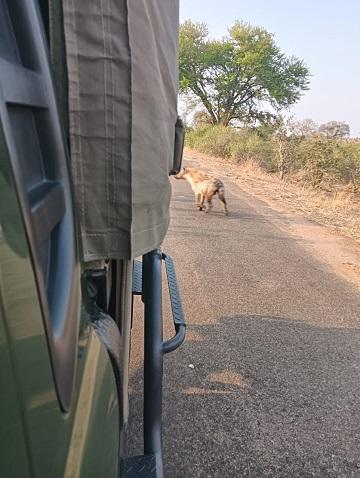 If you’ve ever been on safari in Kruger National Park, you know the thrill of waking up before sunrise, grabbing your camera, and setting off in search of Africa’s most iconic wildlife. But sometimes, the stars align, and you find yourself in the middle of a sighting streak you’ll never forget. That’s exactly what happened recently — four different hyena sightings, all in one morning, between 06:00 and 12:00! Hyenas: The Misunderstood Predators of KrugerSpotted hyenas are often unfairly labeled as scavengers, but in truth, they are skilled hunters with complex social structures. In Kruger, they are a common yet fascinating sight, known for their intelligence, haunting calls, and powerful jaws. Seeing one hyena in the morning is lucky. Seeing four? That’s pure safari magic. The Morning Hyena Highlights
Why Morning Drives Are the Best in KrugerEarly hours are prime time for predator activity in Kruger. Hyenas, lions, and leopards often use the cool morning air to patrol, hunt, or return to their dens. By midday, most predators rest in the shade, making early drives the best opportunity for sightings. Tips for Spotting Hyenas in Kruger National Park
Final ThoughtsWhether it’s Sunday, Monday, or any day, Kruger has a way of surprising you. Four hyena sightings in one morning proves that every safari is different, and nature always has the final say. If you’re planning your trip to Kruger National Park, make sure you set that alarm clock — the hyenas might just be waiting for you. Monday, September 08 2025
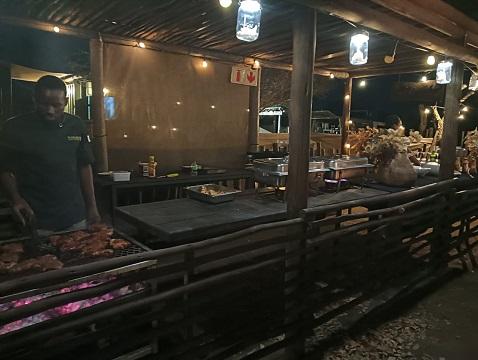 There is nothing quite like a Bush Braai in Kruger National Park – a once-in-a-lifetime African safari experience that combines the thrill of a night game drive with a traditional outdoor dinner under the stars. Recently, we were treated to one of the most memorable evenings imaginable with Ama-Zing African Safaris, and it was filled with incredible wildlife encounters, breathtaking sunsets, and the warm crackle of the campfire. A Game Drive Full of SurprisesOur evening began with a drive through the heart of Kruger National Park, where the bush came alive with activity. The first highlight was a magnificent leopard, resting in the shade and blending perfectly with its surroundings. Just moments later, we came across three powerful cheetah brothers, a rare and thrilling sighting. The excitement didn’t stop there – a lioness appeared soon after, and as dusk fell, a herd of gentle elephants passed quietly through the bush. As the sun set in a blaze of orange and gold, we were treated to the sight of a pride of lions, including three young males and a lioness, preparing for the night ahead. On the way to the Bush Braai site, the nocturnal world revealed itself. We encountered hyenas on the road, spotted two white-tailed mongoose, and admired the night sky glowing above the vast Kruger wilderness. The Magic of the Bush BraaiArriving at the Bush Braai boma, the scene was set with lanterns, crackling fires, and the irresistible aroma of meat sizzling over the coals. Guests enjoyed a traditional South African braai – a feast of grilled meats and delicious sides – while surrounded by the sounds of the African night. The experience was both rustic and luxurious, blending the raw wilderness with warm hospitality. After dinner, the night became even more fascinating. Guided by torchlight, we discovered a scorpion glowing under UV light on a nearby tree, a reminder of the many hidden wonders of Kruger’s ecosystem. A Night to RememberAs we left the Bush Braai area, the sightings continued. Hyenas appeared again, this time three together on the road, followed by three separate genet sightings – agile nocturnal predators darting through the darkness. And of course, throughout the drive we enjoyed sightings of Kruger’s everyday residents: impala, kudu, giraffe, and many more. Why Choose a Bush Braai with Ama-Zing African Safaris?A Kruger National Park Bush Braai is more than just a meal – it’s an adventure that combines thrilling wildlife encounters with authentic South African culture. The chance to see predators after dark, listen to the sounds of the bush while dining outdoors, and explore the nocturnal world makes it a truly unique safari highlight. Whether you’re a seasoned safari-goer or visiting Africa for the first time, this experience will leave you with memories to last a lifetime. Book your Kruger Bush Braai with Ama-Zing African Safaris today and experience the wild side of dining in Africa! Saturday, September 06 2025
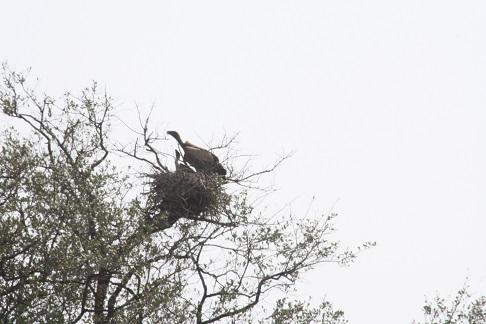 One of the most unforgettable moments on our recent Kruger National Park game drive was witnessing the majestic Cape Vulture feeding her chick high up in a tree. These incredible birds are not only breathtaking to watch, but also play a vital role in the African ecosystem. As we drove through the wilderness of Kruger Park, our guide pointed out a large nest perched precariously at the very top of a tree. With binoculars focused, we realized we were looking at a Cape Vulture (Gyps coprotheres) tending to her young chick. Watching her carefully feed her little one was a truly special and rare experience—something not every visitor gets to see. The Cape Vulture, also known as the Cape Griffon, is one of Africa’s largest vultures with an impressive wingspan of over 2.5 meters. Sadly, these magnificent birds are listed as endangered, with populations declining due to habitat loss, poisoning, and power line collisions. Seeing a healthy mother and chick in the wild was a reminder of how important conservation efforts are in protecting these incredible birds. Vultures play a critical role in the ecosystem by cleaning up carcasses, preventing the spread of disease, and keeping the natural cycle in balance. Cape Vultures prefer to nest on high cliffs or tall trees, safe from predators. From our vantage point, we watched as the adult vulture carefully tore small pieces of food and gently passed them to her hungry chick. The nest itself, made of sticks and branches, was perfectly positioned to give the young vulture a strong start in life. Every safari in Kruger National Park is different—you never know what you’ll encounter. While many visitors hope to see lions, elephants, or leopards, it’s these unique moments—like a Cape Vulture feeding her chick—that make the experience truly unforgettable. It was a breathtaking reminder of the diversity and beauty that Kruger Park has to offer. Our Kruger safari gifted us with an extraordinary sight: a mother Cape Vulture nurturing her chick in the wild. For bird enthusiasts, photographers, and nature lovers alike, this was a highlight that will stay with us forever. If you’re planning a visit to Kruger National Park, keep your eyes on the treetops—you may just be lucky enough to witness something as rare and beautiful as this. Friday, September 05 2025
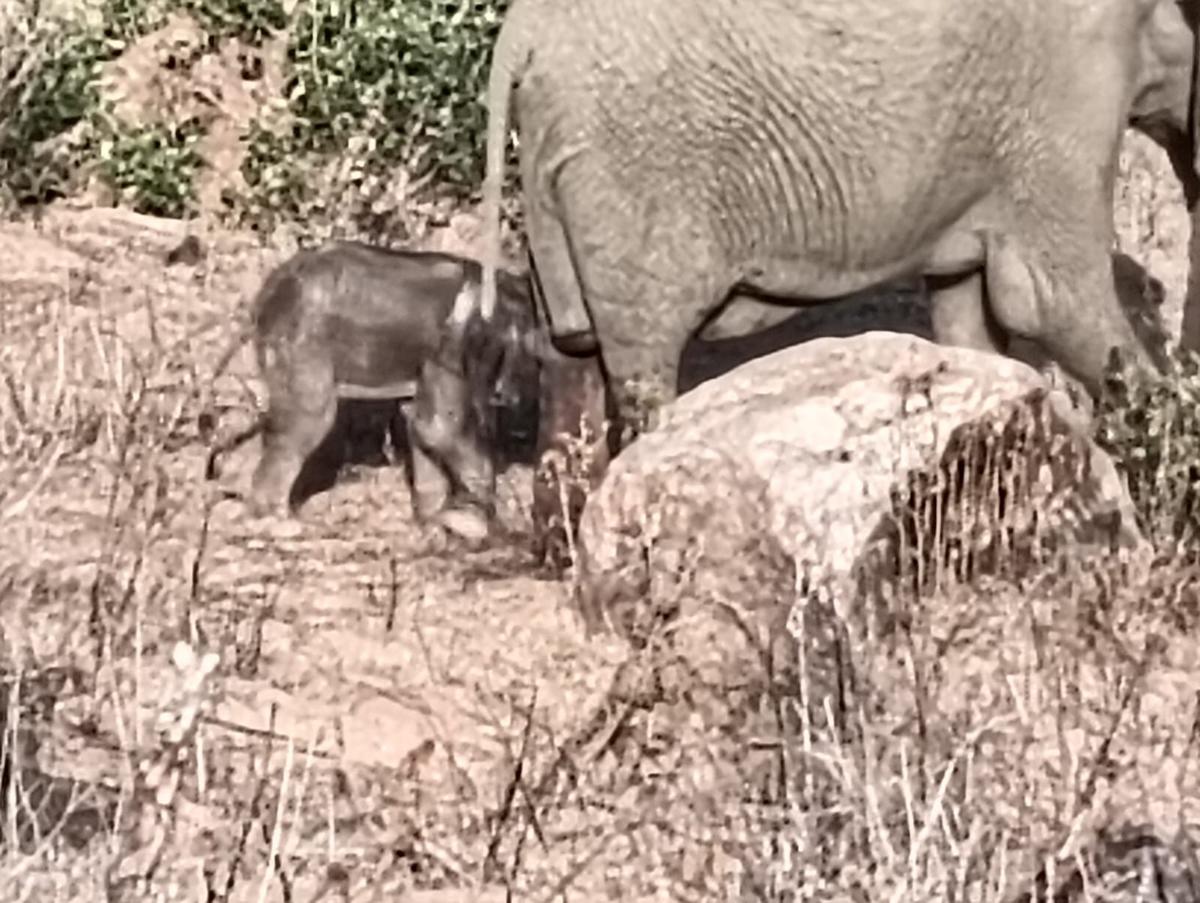 Visiting Kruger National Park is always an unforgettable adventure, but this trip turned out to be even more magical than I could have imagined. As I drove through the dusty tracks, keeping my eyes open for wildlife, I stumbled upon an incredible sight — a newborn elephant calf, still wobbly on its feet, alongside its mother. And here’s the kicker: I had only just missed the birth! A Once-in-a-Lifetime Safari MomentThere it was — tiny, fragile, and still glistening from birth, taking its first uncertain steps next to its protective mother. The little elephant stayed close to her side, trying to make sense of its brand-new world. Even though I arrived moments too late to witness the actual birth, being able to see a calf this young was an extraordinary privilege. In fact, spotting such a fresh arrival in the wild is something that even the most seasoned safari-goers rarely experience. Only Armed With My PhoneOf course, in moments like these, I wished I had my camera with me. But as luck would have it, all I had was my phone. Still, I snapped away, capturing the tiny calf clumsily following its mother. The photos may not be professional quality, but they hold the raw beauty of the moment — proof that sometimes, the best safari experiences happen when you least expect them. Why This Sighting MattersElephants are the heart of Kruger Park. Watching a newborn reminds us of the importance of conservation — every calf represents hope for the future of the species. Seeing the start of a new life in the wild is a humbling reminder of how precious and fragile these ecosystems are. Final ThoughtsI may have missed the actual birth, but being able to witness one of Kruger’s newest elephant calves just minutes after entering the world is a memory I’ll carry forever. It’s moments like this that make every safari unique — you never know what magic is waiting around the corner. So next time you’re in Kruger National Park, keep your eyes open. You might just witness the beginning of a new life. Thursday, September 04 2025
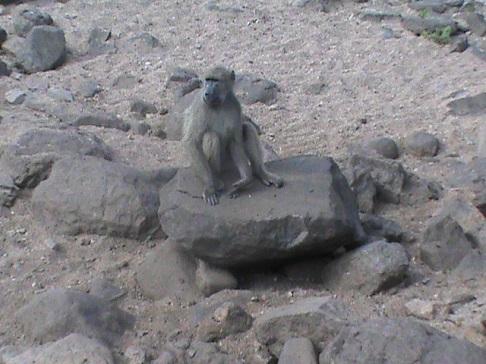 One of the most fascinating encounters on our full-day game drive in Kruger National Park was with the Chacma baboons. These primates are among the largest of all monkey species, and watching them in their natural habitat was both exciting and eye-opening. Meeting the Chacma BaboonsAs we drove through the park, we spotted several baboons near the rocky riverbeds and along the roadside. Some were grooming each other, others sat quietly observing their surroundings, and a few were on the move in search of food. Their social behavior was captivating to watch – reminding us just how close to human these intelligent primates really are. The Chacma baboon (Papio ursinus) is highly adaptable and can be found in various habitats across southern Africa, from savannahs to woodlands. In Kruger, they are often seen in troops, which can number from a few individuals to over 100. Their complex social structures, family bonds, and even playful squabbles make them incredibly interesting to observe. Behavior That Feels FamiliarOne of the highlights of watching the baboons was how human-like their actions appeared. From sitting on rocks with a thoughtful expression to walking upright for short distances, their mannerisms made it easy to draw parallels with our own behavior. We even spotted a few grooming sessions – a bonding activity that not only keeps them clean but also strengthens their social ties. Their constant interaction and communication within the troop reminded us of family dynamics that felt strangely familiar. Baboons Along the RoadsideLater in the drive, a small group of baboons walked casually along the roadside. It was a powerful reminder of how wildlife and human pathways often overlap in Kruger. Despite their confidence, it’s always important for visitors to admire these primates from a safe distance. Baboons are strong, intelligent, and resourceful – they can easily open bags or car doors if given the chance! Why Chacma Baboons Are Special
A Memorable Kruger ExperienceSeeing Chacma baboons so closely during our Kruger National Park safari was a highlight of the day. Their expressions, behavior, and interactions reminded us of our shared evolutionary history. Truly, they felt “so close to human!” If you’re planning a trip to Kruger, keep your eyes open – a troop of baboons might just cross your path and leave you with unforgettable memories. Wednesday, September 03 2025
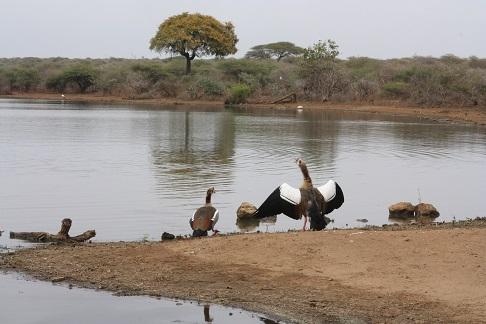 During an unforgettable half-day game drive in Kruger National Park, we were treated to a special sighting of the Egyptian Geese (Alopochen aegyptiaca). These striking birds are among the most beautiful waterfowl in Africa, instantly recognizable by their bold plumage, white wing patches, and distinctive eye markings. A Serene Afternoon at the WaterholeAs our safari vehicle approached a quiet waterhole, we noticed a small group of Egyptian Geese wading gracefully along the shoreline. The calm reflection of the trees and the open sky created the perfect backdrop for their elegant movements. One goose even stretched its wings wide, showing off the full contrast of its white, black, and brown feathers—a truly breathtaking display. Why Egyptian Geese Are SpecialNative to Africa, Egyptian Geese are deeply tied to history and culture. In fact, they were considered sacred by the ancient Egyptians, often appearing in art and hieroglyphs. Today, they remain one of the most widespread geese species across sub-Saharan Africa and can even be spotted in parts of Europe. In Kruger National Park, they thrive around rivers, dams, and waterholes, where they feed on grasses, seeds, and aquatic plants. Their loud, distinctive calls often echo across the bushveld, adding to the soundtrack of a true African safari. Wildlife Photography in KrugerFor bird enthusiasts and wildlife photographers, Kruger National Park offers incredible opportunities. Watching and photographing Egyptian Geese up close was a highlight of our afternoon drive. Their unique colors stand out beautifully against the earthy tones of the landscape and shimmering water. A Memorable Safari ExperienceWhile many visitors come to Kruger hoping to spot the Big Five, moments like these remind us that smaller sightings can be just as magical. Observing Egyptian Geese in their natural habitat was a peaceful and rewarding experience that made our game drive even more special. If you’re planning a visit to Kruger National Park, take time to appreciate not only the lions, elephants, and rhinos but also the incredible birdlife that thrives within the park. You may find that the beauty of a simple afternoon at a waterhole stays with you long after your safari ends. |


Ama-Zing African Safaris / Ama-Zing Kruger Park Safaris
Marloth Park / Hazyview, Kruger National Park, Mpumalanga, South Africa
Phone: +27 74 031 3825
Marloth Park / Hazyview, Kruger National Park, Mpumalanga, South Africa
Phone: +27 74 031 3825